Direct to Fabric Printing UAE: Modern Textile Printing
The textile and garment industry in the UAE has evolved rapidly over the last decade. From fashion brands and corporate uniforms to school apparel and promotional merchandise, the demand for high-quality, customized fabric printing has never been higher. Among the many printing techniques available today, Direct to Fabric Printing UAE stands out as a modern solution that blends technology, creativity, and efficiency.
This article explores what direct to fabric printing is, how it compares to traditional methods like screen printing, where embroidery fits into the picture, and why this printing method is shaping the future of textile production in the UAE.
Understanding Direct to Fabric Printing
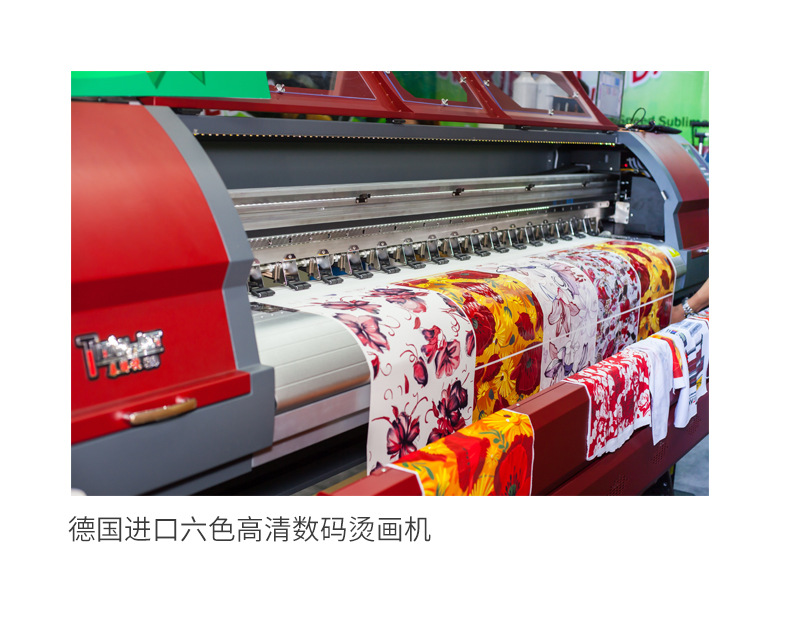
Direct to fabric printing is a digital printing process where ink is applied directly onto fabric using specialized textile printers. Unlike older methods that rely on screens or transfers, this technology prints designs straight from a digital file onto the fabric surface.
The result is high-resolution, detailed prints that feel soft to the touch and integrate seamlessly with the fabric. This makes Direct to Fabric Printing UAE particularly suitable for businesses and institutions that require consistent quality, vibrant colors, and flexibility in design.
Key characteristics include:
- Digital, inkjet-based printing
- No need for screens or plates
- Ability to print complex designs and gradients
- Suitable for small and large production runs
Why Direct to Fabric Printing Is Gaining Popularity in the UAE
The UAE market is diverse, fast-moving, and quality-driven. Businesses, schools, and organizations often require customized textiles with short turnaround times. Direct to fabric printing fits well into this environment for several reasons.
- Flexibility in Design
Modern consumers and brands demand creativity. Direct to fabric printing allows for unlimited color combinations, intricate patterns, and photographic details that are difficult or costly to achieve with traditional methods.
- Faster Production
Since there is no setup of screens, designs can move directly from concept to production. This is ideal for businesses that need quick updates, seasonal collections, or event-based apparel.
- Consistency and Accuracy
Digital printing ensures that each print is consistent, which is especially important for uniforms, branding materials, and institutional clothing.
Fabrics Commonly Used in Direct to Fabric Printing
One of the strengths of Direct to Fabric Printing UAE is its compatibility with various fabric types. Depending on the ink system used, printing can be done on:
- Cotton and cotton blends
- Polyester
- Linen
- Silk
- Rayon and viscose
Each fabric type requires specific inks and pre-treatment processes to ensure color fastness and durability. This technical precision is what makes professional textile printing services valuable.
Direct to Fabric Printing vs. Screen Printing
While direct to fabric printing represents modern textile technology, traditional methods like Screen Printing Services UAE still play an important role in the industry. Understanding the difference helps businesses choose the right method for their needs.
Screen Printing Services UAE
Screen printing uses stencils and mesh screens to apply ink layer by layer onto fabric. It is widely used for:
- Large volume orders
- Simple designs with solid colors
- Corporate uniforms and promotional t-shirts
Screen printing is cost-effective at scale and known for its durability, especially on cotton fabrics.
How Direct to Fabric Printing Differs
| Feature | Direct to Fabric Printing | Screen Printing |
| Setup Time | Minimal | High |
| Color Range | Unlimited | Limited |
| Design Complexity | High | Moderate |
| Best For | Custom, detailed prints | Bulk production |
In many cases, businesses in the UAE use both methods depending on the project, making them complementary rather than competing solutions.
Role of Direct to Fabric Printing in Uniform Production
Uniforms represent identity, professionalism, and brand values. In sectors such as education, hospitality, and corporate services, fabric printing must be precise and durable.
Direct to fabric printing is often used for:
- Detailed logos
- Full-color emblems
- Custom patterns and trims
For simpler branding needs, screen printing may still be preferred. The choice depends on volume, design detail, and fabric type.
Where School Logo Embroidery Fits In
While printing methods dominate many textile applications, School Logo Embroidery remains essential in the education sector. Embroidery offers a textured, premium finish that works particularly well for:
- School uniforms
- Blazers and sweaters
- Caps and accessories
Embroidery is known for its durability and professional appearance, especially for logos that need to withstand frequent washing.
Printing vs. Embroidery for School Apparel
- Printed logos are ideal for lightweight fabrics and detailed color artwork.
- Embroidered logos are best for long-term wear and a classic, formal look.
Many schools in the UAE combine both methods—using direct to fabric printing for sportswear and embroidery for formal uniforms.
Sustainability and Modern Textile Printing
Sustainability has become a growing concern in the UAE’s textile and fashion industries. Compared to traditional methods, direct to fabric printing can be more environmentally responsible when managed correctly.
Potential sustainability benefits include:
- Reduced water usage compared to some dyeing processes
- Minimal ink waste due to precise digital application
- On-demand production reducing excess inventory
As sustainability standards evolve, modern textile printing technologies continue to adapt to meet environmental expectations.
Applications Across Industries
The versatility of Direct to Fabric Printing UAE allows it to serve multiple industries, including:
- Fashion and apparel
- Corporate branding
- Event merchandising
- Interior textiles such as curtains and upholstery
- Educational institutions
Combined with Screen Printing Services UAE and School Logo Embroidery, businesses gain access to a full spectrum of textile customization options.
Quality Control and Longevity
A common concern with fabric printing is durability. High-quality direct to fabric printing ensures:
- Strong color bonding with fabric fibers
- Resistance to fading after washing
- Soft hand feel without cracking or peeling
Proper pre-treatment, curing, and fabric selection play a crucial role in maintaining print quality over time.
Choosing the Right Printing Method
Selecting the right textile printing method depends on several factors:
- Fabric type
- Design complexity
- Order quantity
- End-use (uniforms, fashion, promotional items)
Understanding these factors helps businesses make informed decisions and ensures better outcomes.
Final Thoughts
Modern textile printing in the UAE is no longer limited to one technique. Direct to Fabric Printing UAE represents a shift toward flexibility, detail, and efficiency, while Screen Printing Services UAE and School Logo Embroidery continue to offer reliability and tradition where they fit best.
For businesses, schools, and organizations, the key lies in understanding the strengths of each method and applying them strategically. As technology advances and design expectations rise, direct to fabric printing will continue to play a central role in shaping the future of textile customization in the UAE.
Post Author: admin