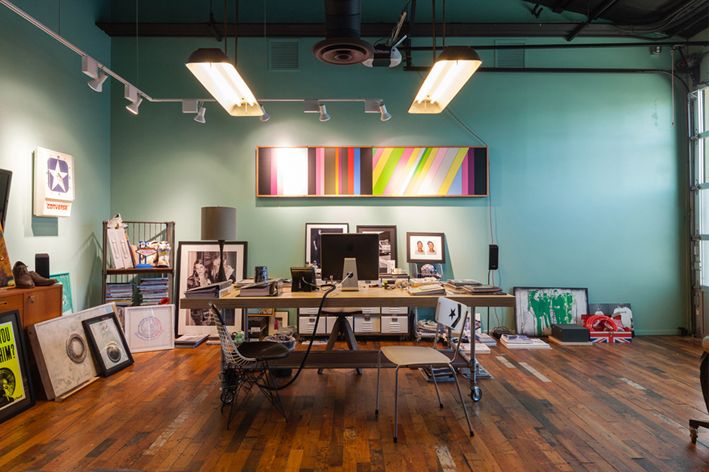
Inside a Modern Textile design workspace Dumbo
The way designers work has changed. Textile artists, surface pattern designers, and fabric innovators are no longer confined to spare bedrooms or crowded home setups. Today, many are choosing to work from a Textile design workspace dumbo, where professional tools, creative energy, and practical infrastructure come together in one place.
Dumbo, Brooklyn has become known for its creative industries, and textile design is part of that growth. A modern textile workspace here isn’t just a room with a table — it’s an environment designed to support focus, experimentation, and professional production. Understanding how these spaces function can help designers, students, and creative entrepreneurs decide what kind of setup best supports their work.
What Is a Textile Design Workspace?
A Long island city pottery studio rental is a shared or private studio environment where textile professionals create patterns, develop fabrics, test techniques, and prepare work for production or clients. Unlike a general office or co-working desk, this type of workspace is tailored to hands-on design.
You’ll typically find:
- Large worktables for cutting, sketching, and fabric layout
- Industrial or semi-industrial sewing machines
- Space for dyeing, printing, or surface treatments
- Storage for rolls of fabric, tools, and samples
- Good lighting for color accuracy
- Open floor space for photographing or reviewing full-length textiles
The goal is to remove the physical limitations that often slow down creative work at home.
Why Dumbo Attracts Textile Designers
A Textile design workspace dumbo offers more than square footage. The neighborhood itself plays a role in how people work and connect.
1. Creative Community
Dumbo is home to designers, artists, photographers, tech founders, and makers. Working near other creative professionals encourages collaboration and knowledge-sharing. Textile designers often cross paths with fashion brands, product designers, and visual artists, opening up opportunities that wouldn’t happen in isolation.
2. Professional Environment
Clients, collaborators, and students feel more comfortable meeting in a well-organized commercial studio rather than a personal apartment. This shifts the perception of textile design from hobby to professional practice.
3. Separation Between Home and Work
Textile processes can be messy — threads, dyes, scraps, and tools take over quickly. A dedicated workspace helps maintain boundaries, which supports both productivity and work-life balance.
How a Modern Textile Studio Is Set Up
A modern Textile design workspace dumbo is built with workflow in mind. Instead of random furniture and makeshift storage, everything is arranged to make creative processes smoother.
Work Zones
Most professional textile studios divide space into functional areas:
- Design Zone – For sketching, digital tablet work, and planning patterns
- Fabric Handling Zone – Large surfaces for measuring, cutting, and pinning
- Machine Zone – Sewing machines, sergers, or embroidery machines in one area
- Surface Treatment Area – Space for dyeing, screen printing, or experimental techniques
- Storage Area – Shelves or bins for materials, swatches, and finished work
This zoning reduces clutter and helps designers move from idea to execution without constant setup and teardown.
Lighting Matters More Than You Think
Color accuracy is critical in textile design. A strong Textile design workspace dumbo includes:
- Natural light where possible
- Neutral wall colors to avoid color distortion
- Task lighting at workstations
This helps designers evaluate hues, textures, and finishes accurately — especially when preparing work for clients or production.
Tools and Equipment Designers Rely On
Not every textile designer uses the same methods, but many modern studios share core equipment. A well-equipped commercial studio often includes:
- Cutting mats and rotary cutters
- Dress forms or mannequins
- Steam irons and pressing stations
- Industrial scissors and rulers
- Digital tools like scanners or drawing tablets
- Pin boards or walls for visual planning
Having these tools permanently set up saves time and allows for deeper focus on the creative process rather than logistics.
Shared Studios vs. Private Studios
One key decision when choosing a Textile design workspace dumbo is whether to work in a shared environment or a private studio.
Shared Textile Workspaces
Shared studios work well for emerging designers or those who enjoy community.
Benefits include:
- Lower cost than a fully private commercial studio
- Access to shared equipment
- Networking with other creatives
- Learning from different techniques and approaches
The trade-off can be noise, shared storage, and limited privacy.
Private Studios
Private studios suit designers with large material inventories or those working on confidential projects.
Advantages include:
- Full control over layout and storage
- Quiet, focused work environment
- Easier to host client meetings
- Space to leave projects set up
Both options can exist within the same building, giving designers flexibility as their practice grows.
How Textile Studios Support Professional Growth
A Textile design workspace dumbo doesn’t just change where someone works — it can change how they see themselves as a professional.
Better Portfolio Development
With proper lighting, space, and tools, designers can photograph their work clearly and present it professionally online or in person.
More Consistent Output
When materials and equipment are always accessible, designers can work more regularly. This consistency leads to stronger collections and more refined techniques.
Easier Collaboration
Being in a commercial studio setting makes it simpler to bring in photographers, stylists, or clients for fittings, shoots, or reviews.
How Textile Workspaces Compare to Other Creative Studios
Many designers move between disciplines or explore different materials. Someone using a Textile design workspace dumbo might also be familiar with spaces like a Long island city pottery studio rental.
While both types of studios serve hands-on creators, there are differences:
| Textile Studio | Pottery Studio |
| Focus on fabrics, fibers, and surfaces | Focus on clay and ceramics |
| Requires large flat work surfaces | Requires wheels, kilns, and drying areas |
| Often emphasizes lighting for color | Often emphasizes ventilation and kiln access |
| Storage for soft materials | Storage for heavy, fragile pieces |
Understanding these distinctions helps creatives choose the environment that fits their primary medium.
What to Look For in a Textile Workspace
If you’re considering working in a Textile design workspace dumbo, a few factors can make a big difference:
- Table Size – Can you fully lay out your fabric?
- Storage Options – Is there room for rolls, samples, and tools?
- Cleanliness and Maintenance – Textile work needs relatively clean surfaces
- Access Hours – Do the hours match your workflow?
- Community Fit – Do other studio users work in related fields?
These details influence daily comfort and long-term productivity.
The Bigger Picture: Why Workspace Shapes Creativity
Creative work is deeply influenced by environment. A thoughtfully designed Textile design workspace dumbo reduces friction, supports experimentation, and encourages professional habits. Over time, this can lead to better work, stronger collaborations, and more confidence in presenting oneself as a designer.
Just as a Long island city pottery studio rental provides ceramic artists with the tools and infrastructure they can’t easily recreate at home, a textile-focused commercial studio offers textile designers the physical and creative support their practice requires.
Final Thoughts
A modern textile studio is more than a room — it’s a system that supports creative thinking, technical execution, and professional development. Whether someone is launching a brand, building a portfolio, or refining their craft, working from a dedicated Textile design workspace dumbo can reshape both process and outcomes.
For designers exploring their options, understanding how these spaces function is the first step toward choosing a workspace that truly supports their work.
Post Author: admin